

Jewelry Inspection in China: AQL Sampling or 100% Inspection?
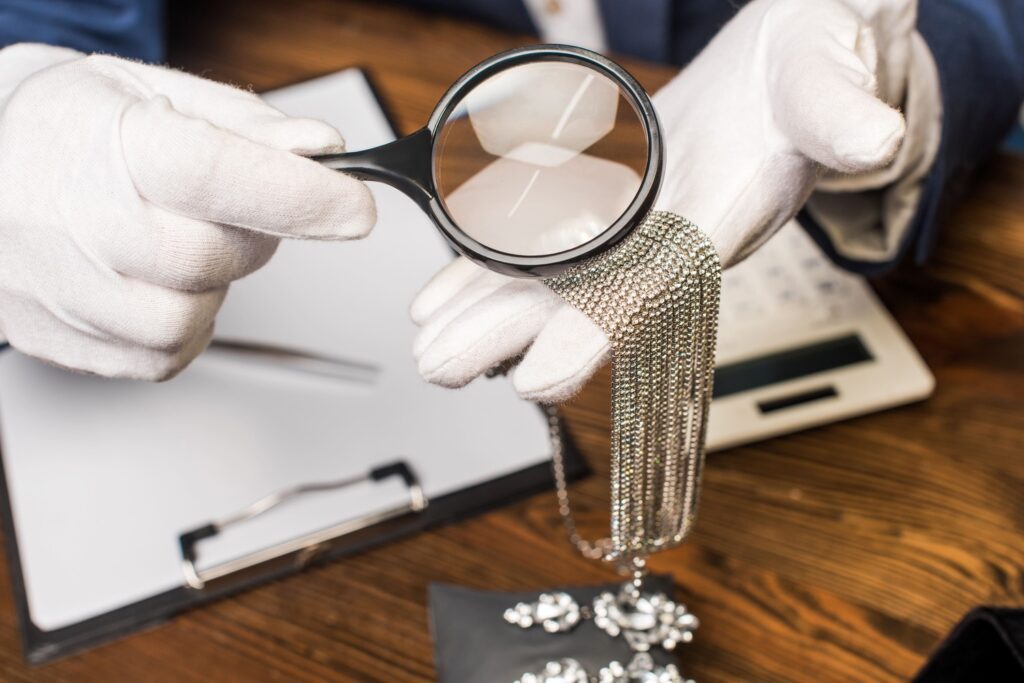
Your jewelry order is ready. The factory has sent production photos, the approved samples are on your desk, and the shipment date is approaching. Before releasing the goods, you still want to know whether the plating looks consistent, the clasps work properly, and the earrings match as pairs. For overseas jewelry brands, arranging a jewelry inspection in China provides an opportunity to check these details before shipment. The next decision is how much of the order to inspect. AQL sampling supports a decision about accepting or rejecting a production lot. A 100% inspection applies the agreed checks to every unit within the inspection scope. The right choice depends on your product requirements, supplier performance, and whether you need individual pieces screened before shipping. For some orders, combining the two approaches makes sense. You might request every earring to be checked for appearance and closure function, while arranging separate samples for measurements or performance tests. What Is the Difference Between AQL Sampling and 100% Inspection? AQL sampling supports a decision about the lot During an AQL sampling inspection, inspectors select a sample from a defined lot, check it against agreed requirements, and evaluate the findings using the sampling plan’s acceptance and rejection rules. The result provides a basis for deciding whether to accept or reject the lot under that plan. It does not establish the exact defect rate of the entire shipment or identify every defective item among the uninspected goods. This distinction is central to NIST’s explanation of acceptance sampling. AQL stands for Acceptance Quality Limit. Standards such as ANSI/ASQ Z1.4 provide sampling procedures and decision rules, including rules for changing inspection severity across a continuing series of lots. For buyers, the practical point is that an AQL value alone does not define the inspection. Your provider should also explain the lot definition, inspection level, sample size, defect classifications, and acceptance and rejection criteria. You can also review Jonble’s inspection standards when preparing your requirements. Sampling can identify problems in the pieces examined. If you need the entire order sorted for those problems, additional inspection work is required. A 100% inspection applies agreed checks to every unit A 100% full inspection of jewelry means every unit within the defined scope receives the specified checks. For example, if the scope covers the appearance and basic closure function of hoop earrings, every hoop should undergo those checks. Whether the service also includes pair matching, measurements, label verification, or repacking must be agreed separately. The term “100%” describes inspection coverage. It does not guarantee a defect-free shipment or mean that every possible test has been performed. Before booking, confirm what will be checked on each piece, how it will be judged, and how identified defects will be handled. When Is AQL Sampling Suitable for Jewelry Orders? AQL sampling is worth considering when the product requirements are clear, the supplier’s quality performance is stable, and you are comfortable making a lot acceptance decision from sample results. A repeat order provides a useful example. Your supplier has produced the same styles before, the specifications are established, and previous quality issues have been addressed. In that situation, you can discuss a sampling plan with your inspection provider. However, review what has changed since the previous order. A different plating finish, new clasp supplier, revised stone setting, or additional style may require a different inspection approach. A long relationship with a factory does not make those changes irrelevant. The order breakdown also matters. A purchase order containing rings in several sizes, earrings in multiple finishes, and necklaces in different lengths needs more planning than its total quantity suggests. Provide quantities by style, color, and size before confirming sample sizes. Ask how the inspection will cover those variations and how the goods will be divided into inspection lots. This helps you understand what the sampling result represents and which products have actually been examined. When Should You Consider 100% Jewelry Inspection? Full inspection is worth evaluating when you want individual products screened for specified problems before they leave the factory. Closure function is a practical example. In Jonble’s jewelry inspections, we have found hoop earrings with closures that were too tight or too loose, alongside scratches and surface finish issues within the same order. Production photos alone cannot confirm how each closure operates. If your requirement is for every hoop to undergo an opening and closing check, put that requirement directly into the inspection scope. Explain what acceptable operation looks and feels like for that design. Full inspection may also be useful when: Orders with many styles and small quantities per style deserve an individual assessment. Ask your provider to compare the workload and cost of sampling with checking every piece. Material alone should not determine the choice. Brass jewelry does not automatically call for sampling, and silver jewelry does not automatically require full inspection. Consider the construction, quality requirements, production history, and consequences of the specific defects you want to control. Can You Combine Sampling and Full Inspection? Yes. Different checks within the same order can use different levels of coverage, provided the scope and decision rules are clear. A jewelry inspection involves several distinct questions: Does the finish meet the approved standard? Do the earrings match? Does the clasp operate correctly? Are the dimensions within tolerance? Is the correct product packed under the correct SKU? Working through these questions separately makes the inspection plan easier to understand. Appearance and earring pair matching For appearance checks, define the areas to be examined and the reference used to judge them. Depending on the design, this may include the front, back, inner surfaces, connecting parts, and visible areas around stone settings. Provide clear examples of acceptable and unacceptable scratches, finish variation, stone appearance, or other details that matter to your brand. Earrings also need to be assessed as the product the customer will receive. Two individually acceptable earrings may still form an unsuitable pair if their color, dimensions, stone appearance, or orientation does not match the design. Specify
Types of Product Inspection: How to Choose the Right Method When Sourcing from China
A practical framework for balancing product quality, inspection cost, and delivery risk when sourcing from China. Before your products leave a factory in China, how do you know the mass-produced goods actually match what you approved? Not the supplier’s showroom sample. Not photos sent through WhatsApp. Not a single unit prepared for a video call. The real production batch. At Jonble, we have seen a bulk order of baseball caps produced with a 1.5-inch gap between the embroidered logo and the brim — the approved sample specified 1.25 inches. In another case, a buyer watched a printing machine run correctly during a video call, only to find after delivery that it had been tested on China’s 220V supply while the buyer’s facility required 380V. The problem was eventually fixed, but it pushed the buyer’s production schedule back by two months. Neither situation was bad luck. Both were quality risks that went unchecked at the stage where they could still have been caught and corrected. Effective quality control is not a single inspection performed after everything has been manufactured. It is a sequence of controls placed where specific risks can still be detected and corrected at a reasonable cost. That is why no single inspection method works for every order. The right plan depends on whether the supplier is new or established, whether the product is standard or newly developed, the complexity of manufacturing, order quantity and value, the cost of a defect reaching the end customer, and the available budget and schedule. This guide covers the main types of product inspection used in China-based supply chains, explains how AQL sampling differs from 100% inspection, and shows how to combine methods into a practical quality-control plan. Quick Answer: Which Product Inspection Method Should You Choose? The main types of product inspection can be divided into two separate decisions: 1. When should the goods be inspected? 2. How much of the order should be inspected? For inspection timing, the main options are: For inspection coverage, the main options are: A practical starting point is: Order Situation Recommended Timing Recommended Coverage New supplier and newly developed product PPI + DPI + PSI AQL sampling with targeted 100% checks Established supplier and standard repeat order PSI AQL sampling Complex manufacturing process or unstable quality history DPI + PSI Stricter sampling or targeted full inspection High-value, handmade or very low-tolerance product PPI or DPI + PSI 100% inspection of critical characteristics Amazon FBA shipment PSI AQL plus 100% label, barcode or assortment verification Full-container or fragile shipment PSI + CLC Sampling or full inspection based on product risk These combinations follow the central principle that new and unstable projects require earlier intervention, while stable repeat orders can often be managed through a final inspection and an appropriate sampling plan. Not sure which inspection plan fits your order? Send us your product, order quantity and SKU count, factory city, and current production status. We’ll help you choose an appropriate inspection approach. First, Separate Inspection Timing from Inspection Coverage Many buyers treat “Which inspection should I book?” as one question. It is actually two questions. Inspection timing asks: When should the factory be checked? For example: Inspection coverage asks: How many units should be checked? For example: These decisions are independent. A Pre-Shipment Inspection does not automatically mean AQL sampling. A PSI can use random sampling, 100% inspection or a customized combination. Likewise, a During Production Inspection can focus on a sample of semi-finished units while requiring 100% verification of one critical component or process. Understanding this distinction is one of the most important steps in building a cost-effective inspection plan. 1. Pre-Production Inspection: Stop Problems Before Mass Production A Pre-Production Inspection, commonly abbreviated as PPI, takes place before mass production begins. Some inspection providers use related terms such as Initial Production Check or IPC. The precise service scope may vary, so the buyer should confirm whether the inspection will take place completely before production or during the first stage of production. The central purpose of PPI is to confirm that the factory has the correct materials, components, instructions and production preparations before it starts manufacturing the full order. What does a Pre-Production Inspection check? Depending on the product, a PPI may include: The buyer, supplier and inspection company should ideally work from the same approved reference sample and written specifications. Verbal instructions are not enough. Material grades, dimensions, tolerances, colors, performance requirements, packaging requirements and test methods should all be documented before the factory begins mass production. When is PPI most valuable? A Pre-Production Inspection is particularly useful when: PPI is usually the least expensive stage at which a systematic material or specification problem can be corrected. Once the factory has cut fabric, molded components, applied plating, printed packaging or assembled the product, the available corrective options become more limited. What are the limitations of PPI? An Australian home-textile buyer ordered curtains and bedsheets using 250 gsm fabric. PPI requires sufficient time between order confirmation and mass production. It also depends on factory cooperation. The purchase order or manufacturing agreement should therefore state that the buyer or an appointed third party has the right to inspect materials and production preparations. PPI can confirm that production is starting from the right foundation, but it cannot prove that the factory will maintain consistent workmanship throughout the full production run. That is where During Production Inspection becomes important. Jonble Field Case: The Correct Product, Made from the Wrong Material The buyer originally arranged only a final inspection. By the time the goods were checked, the factory had already manufactured the order using 200 gsm fabric. The factory eventually reproduced the goods, but the delay caused the buyer to miss an important sales window. In another project, a French fishing-equipment brand specified a particular high-quality motor for a portable grinder. The factory planned to substitute a cheaper unbranded motor because the component would be hidden inside the finished product. The mismatch was found during material verification before mass production,
Most Common Product Defects Found During Third-Party Inspection
Every buyer sourcing from overseas factories carries the same quiet worry: will the goods that leave the production line actually match what was promised on paper? A single container can hold thousands of units, and even a small defect rate can turn into a costly headache once products reach the warehouse or the customer’s doorstep. This is exactly why third-party inspection exists. An independent inspector walks the factory floor, checks samples against your specifications, and flags problems while there is still time to fix them. Over years of on-site checks across garments, electronics, toys, and household goods, a handful of defect types show up again and again. Knowing them in advance helps you ask sharper questions, tighten your specification sheets, and avoid repeat mistakes with your suppliers. Why Defects Slip Through in the First Place Factories are under constant pressure to hit deadlines, control costs, and manage large order volumes at once. In that environment, small oversights are easy to miss: None of these reasons excuse a defective shipment, but they explain why the same problems keep turning up across industries. China quality assurance works best when it catches these gaps early, before goods are packed and loaded. Cosmetic and Surface Defects These are the easiest defects to spot, yet they remain the most frequent finding in almost every inspection report. Cosmetic issues do not usually stop a product from functioning, but they hurt how a customer perceives your brand the moment they open the box. Common cosmetic problems include: Buyers often underestimate how much a scratched phone case or a stained shirt collar can damage online reviews. A returned product rarely comes back with a simple complaint about looks; it usually comes with a refund request too. Functional and Performance Failures Functional defects go deeper than appearance. A product might look flawless on the shelf and still fail the moment a customer tries to use it. These issues are more serious because they often lead to safety concerns, warranty claims, and damaged trust. Inspectors regularly report: Testing these functions during an inspection, rather than assuming they work, is one of the simplest ways to prevent an expensive recall later. Packaging and Labeling Mistakes A perfect product can still be rejected at customs or damaged in transit if the packaging around it fails. This covers all the way from the outer carton to the barcode sticker on each unit. Typical packaging problems include: This is where Amazon FBA inspection services China show their worth to sellers shipping products directly to fulfillment centers. Amazon has very strict packaging and labeling rules, and a rejected shipment at the warehouse can mean lost time, storage fees, and delayed sales. Catching a mislabeled carton before it leaves the factory is far cheaper than dealing with it after arrival. Measurement and Specification Gaps Sometimes a product technically works and looks fine, but it simply does not match what was agreed upon. This defect type is easy to overlook without a formal inspection, since the problem is not visible at a glance. Typical gaps are: A written specification sheet is only of any use if the actual goods are checked against it before dispatch. How Jonble Approaches Defect Detection Spotting these defect patterns consistently requires more than a glance at a few samples. It takes structured checklists, trained inspectors, and a process built around your specific product category. Jonble has spent over 15 years working across softline products, hardline products, and consumer goods throughout China, including Zhejiang, Guangdong, Jiangsu, and Shanghai. Our approach to defect detection includes: Because our teams are based across the country with a 2-hour response window for over 95% of cases, inspections can be scheduled quickly, and any recurring defect pattern with a supplier gets flagged before it becomes a habit. Whether you need an initial production check, a during-production inspection, or a pre-shipment review, the goal stays the same: give you clear, honest information about what is actually leaving the factory. Also read this: What is Pre-Shipment Inspection and When Do You Actually Need One? Conclusion Product defects rarely announce themselves before a shipment leaves China. They hide in stitching, in circuit boards, in mislabeled cartons, and in dimensions that drift slightly from the approved sample. A structured, independent inspection is still the most reliable way to catch these issues while there is time to correct them. If you want a partner who understands what to look for across garments, electronics, toys, and everyday consumer goods, Jonble is ready to help. Reach out to discuss your product category, and let our inspectors give you a clear picture of what your customers will actually receive.
What are the Advantages of Outsourcing Product Inspection Services?

The global marketplace has become very competitive especially after businesses started to use digital platforms. Due to this competitiveness, it is more important than ever to ensure that the product meets the quality and safety standards. Almost all consumers want high-quality things and failing to meet their expectations will likely result in costly recalls, loss of trust, and substantial damage to a brand’s reputation. There are very few better ways to ensure that products are up to the mark than product inspections. Even though plenty of manufacturers like to perform inspections internally, many of them are starting to figure out the benefits of outsourcing the services to companies that offer China product inspection services. Outsourcing product inspection can offer a variety of benefits. Here are a few of them. Access to Expertise One of the primary advantages of outsourcing product inspection is being able to access expertise and specialized knowledge. Inspection companies usually have a team of skilled and trained professionals who not only have the required experience but also possess deep knowledge of different industries and their specific quality control requirements. Most professionals working at a company that offers China product inspection services know the best ways to identify defects and possible hazards in products. Such skills require plenty of years to develop. Besides having the expertise, inspection companies typically know how to work with international standards, regulations, and certifications. This is particularly crucial for businesses that want to export products to global markets. Due to the in-depth understanding of compliance standards, professionals help ensure that all the products meet the requirements when it comes to importation and distribution in different regions. Companies that have highly regulated products should consider outsourcing inspection services to ensure compliance with industry-specific standards. Budget-Friendly Service Saving money is a great motivation to outsource product inspection services. This is because setting up an internal team for this specific job needs substantial investment. Training and equipment are just a few examples of things where you will need to invest a lot of money and time. The cost associated with hiring and maintaining a specific quality control team will add up. This is not ideal for small to mid-sized businesses as they might not have the required resources for this purpose. Also, it can be very expensive to maintain and repair inspection equipment and ensure that you can stay updated with the modern and latest quality control technologies. Outsourcing the work to companies that provide China product inspection services permits businesses to prevent any upfront costs. Rather than investing their resources in an in-house team, it will be better to rely on a service provider for the inspections. This way, you will only need to pay for the service that you actually need. It will result in savings on labor costs, equipment maintenance, and the requirement for specialized training. Enhances Focus on Business Operations Regardless of how important product inspections are, it is never ideal to redirect your focus from business operations to these things. To get the best of both worlds, you would be better off outsourcing China product inspection services to a reputed company and investing your energy and resources in things that matter the most. It is true that managing product quality control internally will serve as a distraction. This is even truer for smaller companies because they are likely in the early stages of growth. By outsourcing inspections, they will have an easier time focusing on the most important aspects of their business which will drive growth. This may include product development, customer service, marketing, etc. Conclusion There are a variety of benefits that come with outsourcing product inspection services such as those mentioned in this article. These advantages prove that it is a better idea to hire an inspection company rather than setting up an in-house team. Jonble is a reputed quality control company providing high-quality product inspection services. Our team of well-trained professionals will ensure that your products meet all the quality and safety standards. We have teams all over China, allowing us to offer our services to a wide range of businesses across industries.
What Should Be Done Before Hiring Inspection Services in China?

Quality control is a process of evaluating, testing, or examining against specific predetermined standards. A reliable inspection company in China conducts different tests at different stages of production. They compare their results with the standards to ensure superior quality. They check whether products meet the requirements set by the company. Failing to meet these standards can result in defective products which often lead to waste of time, money and other resources. An experienced inspection agency helps avoid potential quality issues. But before working with one, you should do a few things. Let’s dive deeper into the blog to know. List of Steps to Take Keep reading to get full details: 1. Define Clear Expectations The agency offering inspection service in China will ask you to prepare product requirements or any other specifications. They will ask about your technical data, packaging, packing methods, sizes, etc. So, you need to provide a checklist of your requirements. Give them details about what you want them to check. 2. Do Your Research Issues related to quality are difficult to handle and can be expensive later on. Hence, do your homework before making any final decision. Read the online reviews about your potential inspection company in China, and ask other businesses who may have taken the inspection services in the same country. 3. Evaluate Expertise Consider the experience and range of services your potential agency is offering. A reliable service provider should hold expertise in quality control. They should offer comprehensive services including, initial Production Check, During Production Inspection, Pre-shipment Inspection, Container Loading Inspection, Auditing services, etc. Also, different companies specialize in different product categories, so ensure your chosen firm has relevant experience to ensure the highest quality products. 4. Get Quotes from Different Inspection Companies Once you have done your research and made a list of a few agencies. Get in touch with those and take the quotes. It will give you an idea about pricing. You can compare and choose the one that falls under your budget. 5. Ask For References You can check their website and talk to previous clients about whether they are satisfied with the services or not. Know about how the company responds to client’s queries. You can ensure the best value for your investment by doing so. Why Choose Jonble as Your Inspection Partner? Jonble is a leading inspection company in China. We are a full-service product inspection and quality control firm. We cover all the major cities in China. We hold the specialization in on-site product inspection and quality control. We at Jonble offer inspection services for different product categories including, garments, footwear, bags, fashion accessories, electronics, furniture, housewares, jewelry, stationery, toys, and many more. Get in touch with our experts now and ensure your products are in top conditions. In a Nutshell Product inspection is an important step. It helps ensure your products are free from defects and stick to the industry standards. With a reliable inspection company on your side, you can make the process easier. They help you enhance the quality of your products, improving the customer’s trust in your brand along the way.
Top 3 Common Compliance Mistakes Made By Amazon Sellers

Amazon offers various opportunities for sellers and importers. They can generate huge revenues and expand their reach. But there are certain complexities through which you have to go through. Online retailing is no easy feat, particularly for newcomers. And most sellers often make some mistakes that can influence their growth on Amazon. Amazon takes product safety and compliance very seriously. So, both importers and sellers need to do their homework about its standards. A reliable inspection agency in China can help importers and sellers avoid some common compliance-related mistakes. List of Mistakes Sellers Need To Avoid 1. Assuming the Supplier Got You Covered Some importers and Amazon sellers trust their suppliers in China or elsewhere that they ensure the product is compliant with industry standards, testing requirements, labeling requirements, etc. But this is not the case always, especially when you are importing products from other countries. Not every supplier is compliance expert and they often fail to meet the mandatory safety standards. Few suppliers may have little knowledge about the specific product standards. However, they are clueless about the labeling, certification, and other lab test requirements. So, most suppliers just make stuff. They don’t have the team tracking all the compliance-related things. That’s where an experienced China inspection company can help you. 2. Accepting Every Test Report as Valid Amazon is very rigid when it comes to the test reports you provide them. It should be verifiable and linked to your products. For e.g. Amazon will not accept a test report valid for product Y if you are selling a different product Z. Some suppliers use old test reports from their archive which may lead to the rejection of your products. Also, old test reports cannot be used for modified products even if it is a minor change. Furthermore, the test report should only be held by the same company importing the products. Your test report should cover all the mandatory standards, as some countries have their own product regulations. However, a reliable inspection agency in China can help you ensure your reports are not rejected by Amazon. 3. Failing To Confirm Mandatory Product Standards Amazon is very serious about the product safety. They require your products to adhere to all compliance and safety standards. For.e.eg. you need to have a UL certification for electronics. First, research about the Amazon’s guidelines about safety regulations and standards to ensure products are compliant with standards. Why Choose Jonble as Your China Inspection Partner? We at Jonble are a well-known inspection company in China. Over the years, we have been helping global support in the inspection industry. We help you boost your quality control and assurance. We cover everything from factory audits to QC inspections to product testing. Our team consists of talented and skilled technical professionals who keep your requirements as the priority. Also, you can expect detailed online reports from our inspectors, so you can make decisions wisely. In the End These are a few critical mistakes related to product safety and compliance. However, it is possible to avoid these by taking help from experts. A reputable inspection agency in China can make sure that your products are compliant. They help you build a profitable and sustainable business on this platform.
7 Key Industries That Rely on Inspection Services

China is a global manufacturing hub. Many factories produce goods for the world. But ensuring quality is a big task. Inspection services help businesses maintain high standards and get reliable products. Here are key industries that depend on inspection services in China. 1. Electronics China is the largest producer of electronics. Phones, computers, and appliances are made here. Quality control is critical in this industry. Importers of these products need to monitor the supply chain. Inspection companies in China check for defects and performance. They also ensure safety standards are met. The inspectors will customize the product inspection checklist according to your unique product specifications. 2. Textiles and Apparel China leads in clothing and textile production. Customers demand perfect stitching, colors, and fabric quality. Inspections ensure no flaws in the final products. They also check sizes and packaging. The process starts by understanding the client’s product requirements and quality standards. 3. Toys Toys made in China are sold worldwide. Since the impact of the substances used in toys can have a serious impact on human health, the safety aspect of toys has gained prominence in recent years. Importers can schedule a toy testing inspection at any stage of production. The inspector conducts physical, mechanical, and chemical tests on toys. This ensures that the products meet the quality and safety standards. Inspections also check for harmful materials and sharp edges. They ensure toys meet safety standards in different countries. 4. Machinery and Tools Factories in China produce machines and tools for many industries. These items must work efficiently. The inspectors conduct varied physical and mechanical testing to ensure that the products are safe and functional. Inspection services test their performance. They also check durability and compliance with international rules. 5. Medical Equipment Medical equipment must meet strict quality standards. Products like masks, gloves, and devices are inspected. This ensures they are safe and effective for use. 6. Furniture China is a top exporter of furniture. Customers expect strong, stylish, and well-finished pieces. Inspections check for sturdy materials, proper assembly, and good finishes. They also ensure safe packaging for transport. You can conduct a furniture inspection at any stage to receive an in-depth report. This helps identify quality issues and ensures that you receive high-quality products. 7. Automotive Parts China produces many parts for cars and trucks. These parts must fit and function perfectly. China quality assurance services checks their quality and reliability. They ensure products meet international standards. This reduces the risk of defects and recalls. And also builds trust between buyers and suppliers. Conclusion: Inspection services in China are vital for many industries. They help maintain quality and ensure customer satisfaction. Businesses that invest in inspections gain a strong reputation. These procedures include testing procedures, documented reviews, etc. Inspection companies are well-equipped with the resources and expertise to fulfill the set criteria.
What to Expect When Hiring an Inspection Service in China?

As per some reports, around 30% of the global manufacturing output came from China, which makes it a popular location for production. However, when you are working with suppliers in China, taking care of quality control can be challenging. Quality control is essential as it evaluates the manufactured products’ quality, compliances, and many other things. That’s why hiring a trustable inspection agency in China can be beneficial. These firms conduct inspections and different tests to ensure your products meet the industry standards. They also help you enhance customer loyalty, and safeguard your reputation. So, here in this blog, we are going to discuss what you can expect from a China-based inspection company. Why Product Inspections in China is Essential? Product inspections help businesses to verify that products stick to the required quality, safety, and other regulatory standards. Also, it ensures that products comply with specifications and buyers’ requirements. Below are some top reasons why product inspection in China is essential: It helps ensure the production of top-quality products, verifies whether products meet the industry standards, identifies defective products before shipping, and reduces the chances of low quality. A reliable inspection agency in China will do regular QC checks and help minimize the defective pieces. Product inspection helps you enhance customer trust and show them that you stick to quality. By identifying and rectifying defective pieces and issues at an early stage, businesses can avoid costly rejections and recalls. What You Can Expect When You Hire a Reputable Inspection Company in China? Your in-house team can’t inspect on their own, so it is advisable to work with professionals. Here is what an inspection agency in China can do for you: Gives You a Fresh Perspective A third-party inspection company offering top notch product inspection services in China provides you with impartial perspectives about quality and safety standards. With their suggestions, you can discover potential quality control issues that otherwise your team can miss. Find and Mitigate Risks Professionals from inspection companies can protect your supply chain by identifying and mitigating risks at an early stage. Why Choose Jonble? We at Jonble offer the best on-site product inspection, quality control, and much more. With our factory audit in China, we ensure trustable partnerships, R&D, production, and supply chain. Our team of auditors will visit the factory for a comprehensive assessment. We are trusted by leading brands across the globe to make sure that every product meets the highest quality standards and industry regulations. You can contact our professionals if you are in search of trustworthy inspection services in China. We conduct multiple types of product inspections each with its own goals, including, initial production inspection, during production inspection, pre-shipment inspection, full inspection, container loading inspection, and others. In The End Product inspection is an important part of manufacturing to ensure that your products are defect-free and are in compliance with safety regulations. Therefore, hiring an experienced inspection agency in China can effectively mitigate risks by using different tests and methods and ultimately businesses can save money and time.
Top 7 Benefits of During Production Inspections

The During Product Inspection is an important quality assurance measure ensuring manufacturing quality control. These inspections occur when 10% to 60% off the manufacturing process is complete. DPI is very beneficial as it gives a better scope of correction. But, that’s not all; there are many other benefits of such type of inspection. In this blog process, we will take a closer look at the benefits of During Production Inspection. 1. Better Quality Control In During Production Inspection, products are thoroughly inspected for any faults or errors. A professional inspection company in China will perform a series of tests to find the root cause of defects. The products identified as defective due to any technical error or any other reason are sent back for correction. This helps identify problems early and gives better control over the quality of products. 2. Prevent Losses With During Production Inspection, you can correct any faulty products available in the manufactured batches. This reduces the chance of releasing products that are faulty. If such products are received by audiences, they will return them to the retailer. So the company will not make any profit on such products. During Production Inspection allows you to prevent faulty products from reaching customers, thus helping reduce losses. 3. Enhance Brand Reputation In today’s competitive world, building brand reputation is not easy, it requires constant effort. By preventing defective products from reaching customers you can also enhance your brand reputation. When customers get high-quality products that will be happier with your brand. This increases the chances of making your customers into loyal followers of your brand. Customers are likely to prefer a brand that maintains a high-level of quality. 4. Scope to correct This type of inspection is done when the manufacturing process is 10-60% complete. If a manufacturing defect or any other error is spotted at this stage, the scope to correct it is higher. 5. Strengthens Manufacturing Process During Production Inspection strengthens the product chain. The inspection company in China will ensure that any possible defects in your products are detected without disrupting the production process. Any correction measures identified during the process can be quickly applied preventing further problems. 6. Ensure Consistency DPI is also important as it ensures consistency in style and labeling. It checks products for various factors including workmanship, style, colors, dimensions, quantity, packing, and any other specific requirements. Maintaining consistency is not only important for customer satisfaction but it also helps a brand maintain a reputation. If there is even a slight variation in product color, style or packing, it can have an adverse impact on the reputation of a brand. 7. Saves Precious Time During Production Inspection can help save precious time as the products are inspected during the manufacturing process. Such inspection doesn’t hinder the manufacturing process. Additionally, if a defect is detected it can be easily addressed. This ensures that the company can still meet the initial deadline even if there is any kind of defect in the products. Conclusion: So, these are some of the benefits of During Production Inspection. From ensuring better quality control to saving precious time, investing in inspection services has many benefits.
The Role of Inspection in a Quality-Focused Jewelry Manufacturing Process
Today, the demand for quality control services in the jewelry industry is higher than ever. This is partly because the industry has grown significantly. Jewelry brands must work harder to maintain high quality and meet standards. Additionally, there is more focus on ethical practices in the industry. For many brands, the rise of factory-made jewelry has increased the need for onsite inspections to ensure quality during manufacturing. Although quality control is important in all types of jewelry making, it is especially crucial for factory-produced jewelry. And now jewelry products quality inspection services in China & around the world are available for every stage of factory production, from raw materials to packaging and shipping of the final products. Why Quality Inspection is Important for Jewelry Manufacturing? Quality control is the backbone of the jewelry industry, supporting the values of craftsmanship, safety, and ethics. Jewelry manufacturers must produce pieces that are safe, durable, and in line with international standards. Meet High-Quality Expectations Today consumers demand quality jewelry that is visually appealing & crafted carefully. Whether it’s fine jewelry or a fashion piece, expectations for appearance and durability are extremely high. Therefore, manufacturers must take the assistance of reliable jewelry product quality inspection service providers in China. These experts can help verify the quality of raw materials and examine different factors to uphold the highest quality. Help Ensure Safety Safety is vital since jewelry is worn in close contact with the skin. Harmful substances like lead or cadmium must be strictly avoided to prevent health risks. Additionally, it’s important to ensure that jewelry does not pose choking hazards for children. Uphold Ethical Responsibility In an industry dealing with valuable raw materials, ethical behavior is essential. Manufacturers must avoid unethical practices like worker exploitation, environmental harm, and unfair trade to protect their image and reputation. Quality Inspection Process for Jewelry Products Raw Material Inspection Inspecting raw materials is a crucial step in the pre-production stage of a company’s quality assurance (QA) plan. A certified inspector from a reliable inspection service provider checks for defective raw materials before they enter the factory. Additionally, a raw material inspection ensures that the materials come from the ethical suppliers you have approved. Initial Production Check An Initial Production Check (IPC) includes important “early-warning” measures and takes place from before jewelry production starts through the first 20% of total output. These measures include: Assessing all machinery, materials, and overall factory conditions to ensure: All machinery used for jewelry fabrication is functioning properly and has no loose or failing parts. Materials meet your raw material standards. The first inspection of jewelry off the production line ensures: All raw materials work well with the machinery. The finished jewelry matches your master design. During Production Check As the jewelry production continues, the inspector will focus on quality consistently. The inspector will carefully analyze each piece to check the consistency throughout the production process. This inspection ensures that jewelry sticks to the specifications given by the manufacturer. It includes everything ranging from the size of the weight. Different Tests Used in Quality Inspection for Jewelry Testing is an essential component of quality inspection for jewelry. It helps ensure that all the material used for jewelry manufacturing meets industry standards. Some of these tests are: Gemstone Authentication Test It helps determine the chemical composition of gemstones, identifying treatments such as dyeing or irradiation. It can differentiate synthetic from natural stones and verify if a gemstone like a sapphire, emerald, or ruby meets the claimed qualifications. Nickel Release Test During this test, the amount of nickel released from Jewelry is measured, when it is close to the skin. It’s important for items sold in regions with strict regulations on nickel content to prevent allergic reactions. Tensile Strength Test This mechanical test applies force to metal components like chains and clasps to determine their breaking point. It ensures that jewelry can endure everyday wear and tear without breaking. Corrosion Resistance Test Jewelry items undergo exposure to a salty, misty environment to simulate years of harsh conditions. This test helps evaluate how effectively the finish and metal of the jewelry resist tarnishing and corrosion over time. Jewelry Items We Inspect – Jonble Being a leading firm providing superior quality inspection services across China, we inspect a wide range of jewelry pieces for their finish, fit, refinement, etc. Jewelry items we inspect: Bangles Beaded Bracelets Slap Bracelets Rings Chocker Necklace Long Necklace Layered Necklace Anklets Stud Earrings Hoop Earrings Dangle Earrings Huggy Earrings And Much more. Conclusion Manufacturers need to conduct thorough quality testing as the jewelry industry grows. Manufacturers who want to meet customer demands and differentiate themselves should leverage the potential of jewelry products’ quality inspection services in China. We, at Jonble, use the industry’s best standards for quality assurance. Our inspection experts pay attention to details and have years of experience in jewelry inspection. Our team of inspectors in China will carefully examine each jewelry piece for its components, including metals, precious stones, shells, pearls, wood, textiles, and acrylic. This detailed inspection ensures accuracy and reliability.