

Every buyer sourcing from overseas factories carries the same quiet worry: will the goods that leave the production line actually match what was promised on paper? A single container can hold thousands of units, and even a small defect rate can turn into a costly headache once products reach the warehouse or the customer’s doorstep.
This is exactly why third-party inspection exists. An independent inspector walks the factory floor, checks samples against your specifications, and flags problems while there is still time to fix them. Over years of on-site checks across garments, electronics, toys, and household goods, a handful of defect types show up again and again.
Knowing them in advance helps you ask sharper questions, tighten your specification sheets, and avoid repeat mistakes with your suppliers.
Why Defects Slip Through in the First Place
Factories are under constant pressure to hit deadlines, control costs, and manage large order volumes at once. In that environment, small oversights are easy to miss:
- Workers may be new or poorly trained on a specific product line.
- Raw material batches can vary slightly from one shipment to the next.
- Quality checks done in-house are rarely as strict as an independent review.
- Communication gaps between the buyer’s specification sheet and the factory floor.
None of these reasons excuse a defective shipment, but they explain why the same problems keep turning up across industries. China quality assurance works best when it catches these gaps early, before goods are packed and loaded.
Cosmetic and Surface Defects
These are the easiest defects to spot, yet they remain the most frequent finding in almost every inspection report. Cosmetic issues do not usually stop a product from functioning, but they hurt how a customer perceives your brand the moment they open the box.
Common cosmetic problems include:
- Scratches, dents, or scuff marks on hard surfaces.
- Uneven paint, coating, or plating.
- Stitching flaws, loose threads, or fabric snags on garments and bags.
- Mismatched colors between units in the same batch.
- Dust, stains, or fingerprints left on the finished product.
Buyers often underestimate how much a scratched phone case or a stained shirt collar can damage online reviews. A returned product rarely comes back with a simple complaint about looks; it usually comes with a refund request too.
Functional and Performance Failures
Functional defects go deeper than appearance. A product might look flawless on the shelf and still fail the moment a customer tries to use it. These issues are more serious because they often lead to safety concerns, warranty claims, and damaged trust.
Inspectors regularly report:
- Electronics that fail to power on or shut off unexpectedly.
- Buttons, zippers, or hinges that stick or break under normal use.
- Batteries that drain too fast or overheat during testing.
- Toys with parts that detach easily, raising choking hazards for children.
- Furniture joints that wobble or fail basic load tests.
Testing these functions during an inspection, rather than assuming they work, is one of the simplest ways to prevent an expensive recall later.
Packaging and Labeling Mistakes
A perfect product can still be rejected at customs or damaged in transit if the packaging around it fails. This covers all the way from the outer carton to the barcode sticker on each unit.
Typical packaging problems include:
- Small or weak cartons that topple over when stacked.
- Missing or incorrect SKU’s or barcodes.
- Wrong country of origin marking.
- Fragile items, whether glass or electronics, need good cushioning.
- Labels not in the language or regulatory requirements of the destination market.
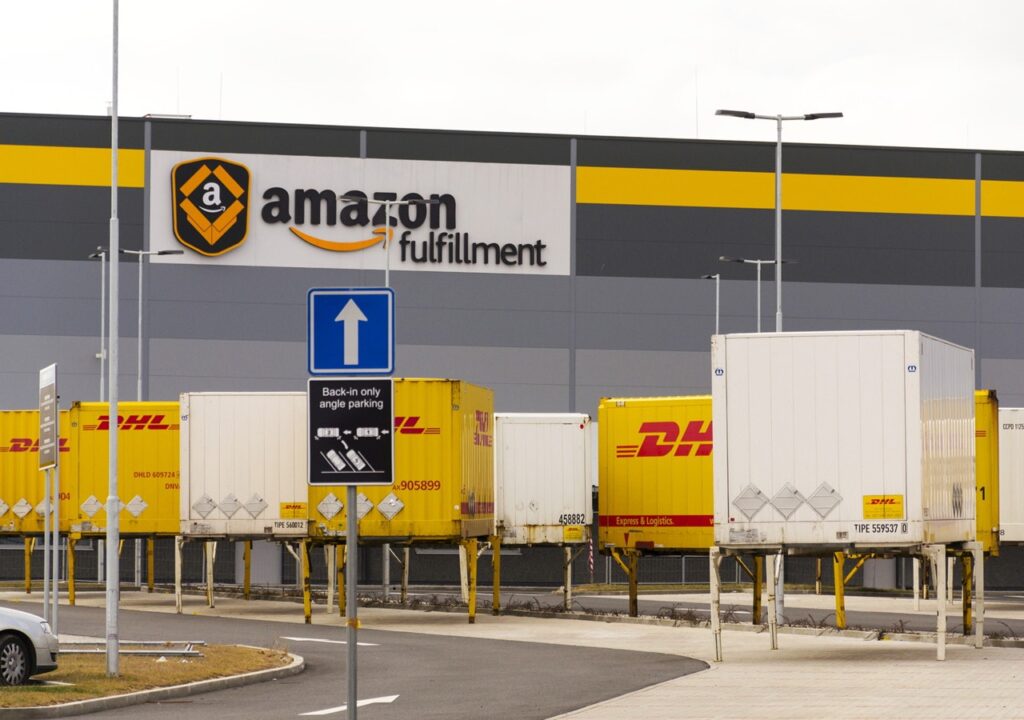
This is where Amazon FBA inspection services China show their worth to sellers shipping products directly to fulfillment centers. Amazon has very strict packaging and labeling rules, and a rejected shipment at the warehouse can mean lost time, storage fees, and delayed sales. Catching a mislabeled carton before it leaves the factory is far cheaper than dealing with it after arrival.
Measurement and Specification Gaps
Sometimes a product technically works and looks fine, but it simply does not match what was agreed upon. This defect type is easy to overlook without a formal inspection, since the problem is not visible at a glance.
Typical gaps are:
- Wrong dimensions, weight, or size compared with the approved sample.
- Wrong material composition, such as using a less expensive fabric mix.
- No certifications or compliance markings required for the market.
- Shortages in quantity of sealed cartons.
A written specification sheet is only of any use if the actual goods are checked against it before dispatch.
How Jonble Approaches Defect Detection
Spotting these defect patterns consistently requires more than a glance at a few samples. It takes structured checklists, trained inspectors, and a process built around your specific product category.
Jonble has spent over 15 years working across softline products, hardline products, and consumer goods throughout China, including Zhejiang, Guangdong, Jiangsu, and Shanghai.
Our approach to defect detection includes:
- On-site inspectors trained by category, so an electronics inspection follows a different checklist than a garment inspection.
- Random sampling based on internationally recognized AQL standards, not a rushed visual scan.
- Functional testing for electronics, moving parts, and load-bearing items, not just a visual check.
- Detailed photo evidence attached to every reported defect, so you see exactly what our team found.
- Reports delivered within 24 hours of the inspection, giving you time to act before the shipment leaves.
Because our teams are based across the country with a 2-hour response window for over 95% of cases, inspections can be scheduled quickly, and any recurring defect pattern with a supplier gets flagged before it becomes a habit.
Whether you need an initial production check, a during-production inspection, or a pre-shipment review, the goal stays the same: give you clear, honest information about what is actually leaving the factory.
Also read this: What is Pre-Shipment Inspection and When Do You Actually Need One?
Conclusion
Product defects rarely announce themselves before a shipment leaves China. They hide in stitching, in circuit boards, in mislabeled cartons, and in dimensions that drift slightly from the approved sample. A structured, independent inspection is still the most reliable way to catch these issues while there is time to correct them.
If you want a partner who understands what to look for across garments, electronics, toys, and everyday consumer goods, Jonble is ready to help. Reach out to discuss your product category, and let our inspectors give you a clear picture of what your customers will actually receive.